





















































































Lexi
 Guide2 min read
☷Table of contents▾
Lexi
From $50/mo
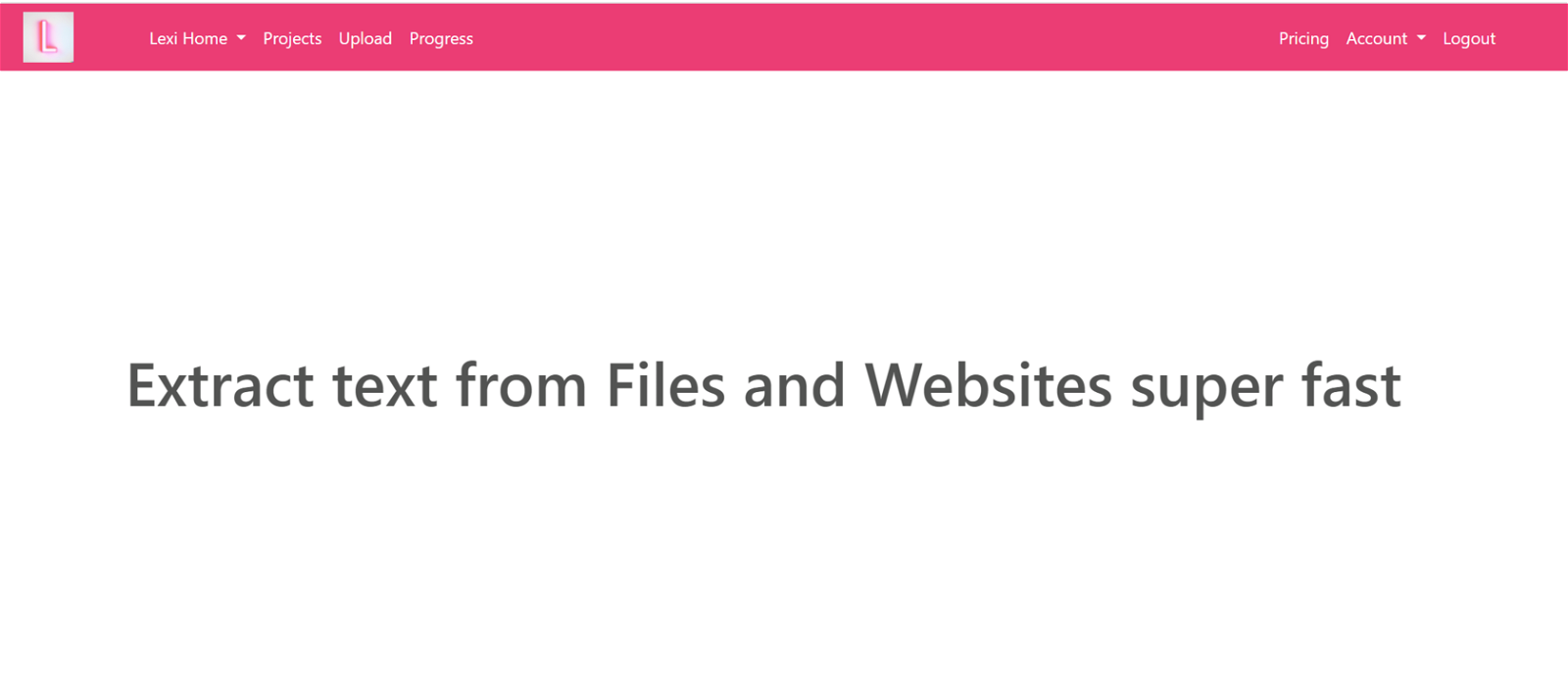
Lexi: Fast, Accurate Text Analysis
VISIT WEBSITE
Introduction:
Are you tired of spending hours manually analyzing and organizing large volumes of text data?
Introducing Lexi, the ultimate solution for clustered text data analysis.
Harnessing the power of natural language processing (NLP) and advanced clustering techniques, Lexi swiftly performs named entity recognition (NER) inference and clustering on thousands of documents.
With Lexi, businesses and researchers can effortlessly extract structured information from unstructured text data, enabling them to uncover valuable insights and patterns.
Want to earn with the tools you are reading about?
The $50K AI Income Roadmap: 20 modern ways to earn with AI, with steps, prompts and real numbers. Free, one chapter a day.
Whether you need to streamline information retrieval, enhance question answering, or delve into market segmentation, Lexi is the go-to tool for quick and efficient text data analysis.
Discover the potential of AI-driven analysis with Lexi and unlock the hidden value within your text data.
Overview:
Lexi is a powerful natural language processing (NLP) tool that performs named entity recognition (NER) inference and clustering on thousands of documents quickly. NLP is a subfield of AI that involves the analysis, understanding, and generation of human language using computational techniques. NLP tasks commonly include language translation, speech recognition, and sentiment analysis, among others.
NER involves identifying and classifying named entities such as person names, locations, and organizations into pre-defined categories. Clustering is a technique in machine learning that involves grouping objects in a dataset based on their similarities. Lexi utilizes both NER and clustering to extract structured information from unstructured text data, which can be used for various downstream NLP tasks such as information retrieval and question answering.
This tool is particularly useful for businesses and researchers that work with large amounts of text data as it enables them to process and analyze such data quickly and efficiently. The advanced clustering capabilities of Lexi also make it an ideal solution for applications such as market segmentation and image segmentation.
Overall, Lexi is a valuable tool for anyone seeking to extract valuable insights and patterns from text data through NLP and clustering techniques.
Benefits:
- Lexi performs named entity recognition (NER) inference and clustering on thousands of documents quickly.
- NLP tasks commonly include language translation, speech recognition, and sentiment analysis, among others.
- NER involves identifying and classifying named entities such as person names, locations, and organizations into pre-defined categories.
- Clustering is a technique in machine learning that involves grouping objects in a dataset based on their similarities.
- Lexi utilizes both NER and clustering to extract structured information from unstructured text data, which can be used for various downstream NLP tasks such as information retrieval and question answering.

The TechLaugh editorial team, led by founder Akshay Kumar Singh, tests AI tools on real marketing and creative work. We check pricing on the day of writing, note free-plan limits, and update guides when tools change or shut down.